Honeysuckle Patterns: A Versatile Graphic Design Asset for Local Brands
First Impressions of Honeysuckle Patterns
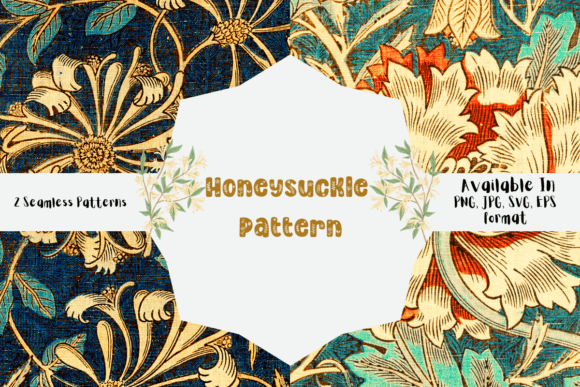
As an experienced brand designer, my first encounter with Honeysuckle Patterns immediately evoked a sense of warmth and natural elegance. The delicate curves and soft repetition of the honeysuckle motif suggest a brand personality that is both inviting and organic. This design asset feels like it could easily fit into the branding of a local bakery, boutique florist, or handmade soap business—businesses that want to communicate a sense of care, craftsmanship, and connection to nature.
The patterns are neither too bold nor too subtle, making them ideal for businesses that aim to feel approachable yet professional. They have a soft, decorative quality that can enhance visual appeal without overpowering other design elements. I see this as a great fit for small businesses looking to create a cohesive brand identity that feels personal and authentic.
Elevating Brand Identity with Honeysuckle Patterns
Honeysuckle Patterns can be a powerful tool in creating a consistent and memorable brand identity. Whether you're designing a logo, packaging, or promotional materials, these graphics offer a unique way to infuse your visuals with a touch of nature and charm. For instance, a local skincare brand might use one of the patterns as a background on product labels, helping to reinforce the idea of natural ingredients and gentle care.
These patterns also work well when used sparingly. Imagine using them as accents on hang tags, thank-you cards, or even in social media posts. Their versatility allows them to blend seamlessly into different design contexts while still making a statement about the brand’s character and values.
Practical Applications in Real Business Projects
One of the most appealing aspects of Honeysuckle Patterns is their adaptability across various design needs. Here are some real-world applications:
- Product Labels: Use the pattern as a subtle background to elevate the look of your product packaging without overwhelming the text.
- Packaging Accents: Add a decorative element to boxes, jars, or bags to make them stand out on store shelves or online listings.
- Social Media Graphics: Incorporate the pattern into banners, posts, or stories to maintain a consistent aesthetic across all platforms.
- Hero Graphics: Use the pattern in website headers or promotional banners to create a warm and welcoming atmosphere.
- Seasonal Campaigns: These designs can be especially effective during spring or summer campaigns, aligning with the theme of blooming flowers and fresh beginnings.
By integrating Honeysuckle Patterns into your brand's visual language, you can help create stronger emotional connections with your audience. The patterns support better product recognition and improve the overall professionalism of your marketing visuals.
Where Honeysuckle Patterns Work Best
While Honeysuckle Patterns are incredibly versatile, they shine brightest in certain design scenarios. They are particularly effective when used as decorative elements in product mockups, boutique visuals, and social media campaign graphics. These patterns add a layer of sophistication and charm that can transform basic designs into something more engaging.
They are also a great addition to printable designs such as thank-you cards, stickers, or flyers. Their soft and intricate nature makes them suitable for any project that aims to convey a sense of warmth and creativity.
Using Honeysuckle Patterns with Caution
Despite their many benefits, there are situations where Honeysuckle Patterns may not be the best choice. For example, they may not be ideal for formal corporate branding or luxury minimalist brands, where a clean and uncluttered look is essential. Similarly, they should be used carefully on very small labels or in areas where legal information is displayed, as the pattern could potentially compete with important text.
It’s also important to consider the contrast between the pattern and the text or background colors. Testing the design on real packaging mockups and checking how it looks in black and white can help ensure that it remains legible and effective in all contexts.
Design Notes for Brand Designers
If you’re considering using Honeysuckle Patterns for client work or physical product sales, here are some practical tips:
- Test it on real packaging mockups: See how it interacts with other design elements in a realistic context.
- Check black and white usage: Ensure the pattern doesn’t lose its clarity when printed in monochrome.
- Preview it on small labels: Confirm that it doesn’t become too busy or hard to read at smaller sizes.
- Test it with brand colors: Make sure the pattern complements your brand’s color palette and doesn’t clash.
- Confirm commercial licensing: Always verify that the design asset comes with a proper commercial license before using it for client projects or product sales.
Additionally, inspect the SVG or vector editability if you plan to modify the pattern. This will allow you greater flexibility in tailoring the design to your specific needs. Also, test how it works alongside different font styles—such as serif, sans serif, script, handwritten, and display fonts—to ensure readability and visual harmony.
Final Thoughts on Honeysuckle Patterns
In conclusion, Honeysuckle Patterns are a valuable graphic design asset that can greatly enhance the visual appeal of your brand’s packaging, promotional materials, and digital content. Whether you're running a local bakery, a handmade shop, or a boutique, these patterns offer a beautiful way to express your brand’s personality and connect with your audience on a deeper level.
With thoughtful application and consideration for context, Honeysuckle Patterns can become a key element in building a strong and memorable brand identity that stands out in today’s competitive market.